
Your Guide to Finding a Trusted Car Sponge Supplier
- yinfengfoam
- Jul 28
- 6 min read
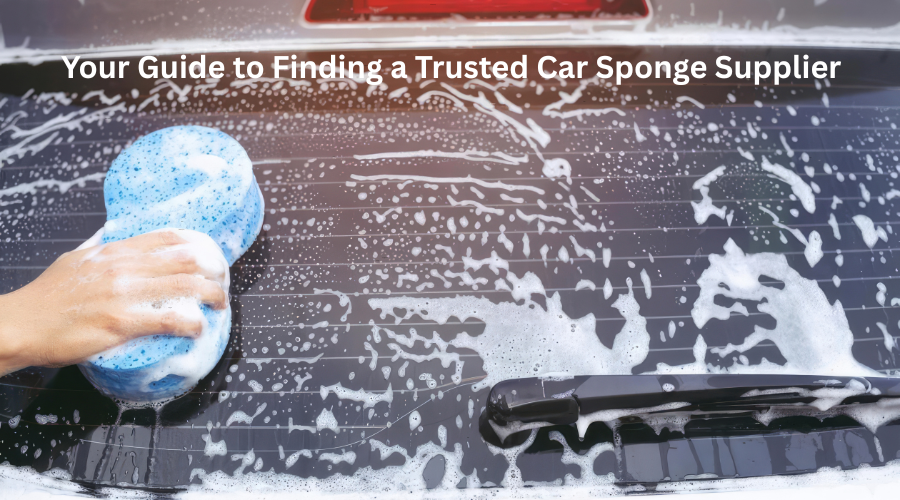
When it comes to maintaining vehicles, having the quality car care accessories can make all the difference. Whether you're a retailer, distributor, car detailing business, or automotive accessories brand, choosing a reliable Car Sponge Supplier is one of the most important decisions you'll make. The quality of the products you offer has a direct effect on customer satisfaction, repeat purchases, and your business reputation. While there are countless manufacturers and wholesalers in the market, knowing what separates a dependable supplier from the rest can help you make a smart, long-term investment.
Why Choosing the Right Supplier Matters
The automotive cleaning industry continues to grow as more vehicle owners prioritize regular maintenance and professional detailing. Car wash accessories, including sponges, are among the most frequently purchased products because they are essential for safe and effective cleaning.
A trustworthy supplier provides more than just products. They become a business partner who supports your growth through consistent quality, reliable delivery, competitive pricing, and excellent customer service. Instead of constantly searching for new vendors, working with a dependable partner allows you to focus on expanding your business and serving customers.
Understand Your Business Requirements First
Before comparing different suppliers, take time to evaluate your own business needs. Every company has different priorities depending on its target market and sales volume.
Consider questions such as:
Do you need bulk wholesale quantities?
Are you looking for premium-quality products or budget-friendly options?
Will you require custom packaging or private labeling?
How often will you place orders?
Are international shipping services necessary?
Having clear answers to the following considerations will narrow your search and help you identify suppliers that align with your business goals.
Focus on Product Quality
Quality should always be your top priority. A sponge may appear simple, but its design and materials significantly influence cleaning performance.
A high-quality car sponge should offer:
Excellent water absorption
Soft texture that protects vehicle paint
Durable construction for repeated use
Comfortable grip for easier handling
Resistance to tearing and deformation
Poor-quality products may scratch vehicle surfaces, wear out quickly, or disappoint customers. Investing in better-quality products helps build customer trust and reduces complaints or returns.
Check Manufacturing Standards
Professional manufacturers typically follow strict quality control procedures throughout production. Ask suppliers about their manufacturing process and quality assurance methods.
Important factors include:
Raw material sourcing
Product testing procedures
Consistency between production batches
Factory certifications
Compliance with international quality standards
Reliable manufacturers are usually transparent about their production capabilities and willingly provide documentation when requested.
Evaluate Industry Experience
Experience often reflects stability and expertise. Companies that have served the automotive cleaning market for several years usually understand changing customer demands and quality expectations.
Experienced suppliers typically offer:
Better production efficiency
Strong quality control systems
Improved logistics management
Faster problem resolution
Product development expertise
While newer businesses may also provide excellent products, established manufacturers generally have proven track records that reduce purchasing risks.
Review Product Variety
Businesses rarely purchase just one type of cleaning accessory. A supplier with a full range of products can simplify procurement and reduce administrative work.
Look for suppliers offering different options such as:
Standard washing sponges
High-density foam sponges
Large detailing sponges
Multi-purpose cleaning pads
Microfiber cleaning products
Car wash accessories
Having multiple product options allows your business to serve different customer preferences while reducing the need to work with multiple vendors.
Assess Customization Capabilities
Brand recognition plays a major role in today's competitive marketplace. Many businesses prefer selling products under their own brand name.
Ask whether the supplier offers customization services like:
Private labeling
Custom packaging
Logo printing
Unique product colors
Custom sizes
Retail-ready packaging
Customization creates a stronger brand identity and helps distinguish your products from competitors.
Compare Pricing Beyond the Lowest Cost
Price matters, but choosing the cheapest option isn't always the smartest decision.
Instead of focusing only on unit cost, evaluate the total value offered by each supplier. Consider factors such as:
Product durability
Shipping costs
Packaging quality
Minimum order quantities
Customer support
Warranty policies
A slightly higher-priced product that lasts longer and performs better often provides greater value than a low-cost alternative that generates customer complaints.
Request Product Samples
Never place a large order without testing samples first.
A product sample allows you to evaluate:
Material quality
Softness
Absorbency
Durability
Size consistency
Overall workmanship
Testing products yourself provides confidence before making a substantial purchasing commitment.
Examine Production Capacity
As your business grows, your supplier should be able to grow with you.
Ask questions about:
Monthly production capacity
Lead times
Seasonal demand management
Emergency order handling
Inventory availability
A supplier with sufficient production capability helps prevent stock shortages during peak business periods.
Review Shipping and Delivery Performance
Reliable delivery schedules are essential for maintaining inventory and meeting customer expectations.
Evaluate the supplier's logistics by considering:
Average production time
Shipping methods
Packaging protection
International shipping experience
Delivery tracking
Export documentation
Late deliveries can impact your day-to-day operations and affect customer satisfaction, making logistics performance just as important as product quality.
Communication Is a Key Indicator
One of the easiest ways to evaluate professionalism is through communication.
Reliable suppliers typically respond promptly, answer questions clearly, and provide accurate information regarding products, pricing, and delivery schedules.
Look for partners who demonstrate:
Quick response times
Professional communication
Transparency
Technical knowledge
Willingness to solve problems
Strong communication builds trust and makes long-term business relationships much smoother.
Read Customer Reviews and Testimonials
Customer feedback offers valuable insight into a supplier's reliability.
Look for reviews discussing:
Product consistency
Delivery performance
Customer service
Packaging quality
Overall satisfaction
While every business may receive occasional criticism, consistently positive feedback often indicates dependable service.
Ask About Quality Control Procedures
Uniform quality is just as important as high quality.
Ask suppliers how they inspect products before shipment.
Questions to consider include:
Are products inspected individually?
How are defective items handled?
Are batch inspections performed?
What quality standards are followed?
Strong quality control minimizes defective shipments and protects your business reputation.
Consider Long-Term Partnership Potential
Choosing a supplier isn't simply about placing one order. Ideally, you're building a partnership that will support your business for years.
A dependable partner can offer benefits such as:
Better pricing over time
Faster production
Priority during busy seasons
New product recommendations
Business growth opportunities
Long-term partnerships often lead to stronger collaboration and mutual success.
Red Flags You Should Never Ignore
Not every supplier delivers on their promises. Watch for warning signs before making a commitment.
Common red flags include:
Extremely low prices without explanation
Slow or inconsistent communication
Refusal to provide samples
Lack of product information
No clear return policy
Unverified manufacturing claims
Frequent changes in pricing
Detecting these problems early can save both time and money.
Questions to Ask Before Making Your Final Decision
Before signing any agreement, prepare a checklist of important questions.
For example:
What are the minimum order quantities?
What payment methods are accepted?
How long is the production lead time?
What quality guarantees are provided?
Can packaging be customized?
How are damaged products handled?
Are discounts available for larger orders?
Clear answers reduce misunderstandings and establish expectations from the beginning.
The Value of Building Trust
Trust isn't established overnight. It develops through consistent product quality, reliable communication, and dependable service.
When you work with a supplier that values long-term relationships, your business benefits from smoother operations, happier customers, and stronger market competitiveness.
Instead of frequently changing vendors, investing time in selecting the right business partner creates stability and supports sustainable growth.
Conclusion
Finding the right supplier requires more than comparing prices or browsing product catalogs. A dependable partner should consistently deliver quality products, communicate openly, maintain reliable production schedules, and support your business as it grows. By carefully evaluating manufacturing standards, customization options, logistics, customer feedback, and overall professionalism, you can make an informed decision that benefits your company for years to come. Taking the time to research and choose wisely today can lead to stronger customer satisfaction, improved brand reputation, and long-term business success.
FAQs
1. Why is product quality so important when selecting a supplier?
High-quality products help deliver better cleaning performance, last longer, reduce customer complaints, and strengthen your brand's reputation.
2. Should I request product samples before placing a bulk order?
Yes. Testing samples allows you to evaluate quality, durability, absorbency, and overall performance before making a significant investment.
3. What should I look for in a reliable manufacturing partner?
Look for consistent product quality, transparent communication, quality control processes, customization options, competitive pricing, and dependable delivery performance.
4. Is customization beneficial for growing businesses?
Absolutely. Private labeling, custom packaging, and branded products help increase brand awareness and establish a unique market position.
5. How can I verify a supplier's reliability?
Research customer reviews, request samples, ask about manufacturing standards, evaluate communication quality, review production capacity, and confirm delivery capabilities before placing large orders.


Comments