
Top 5 Filter Sponge Manufacturers in 2026: A Complete Buyer's Guide
- yinfengfoam
- Jul 22
- 5 min read
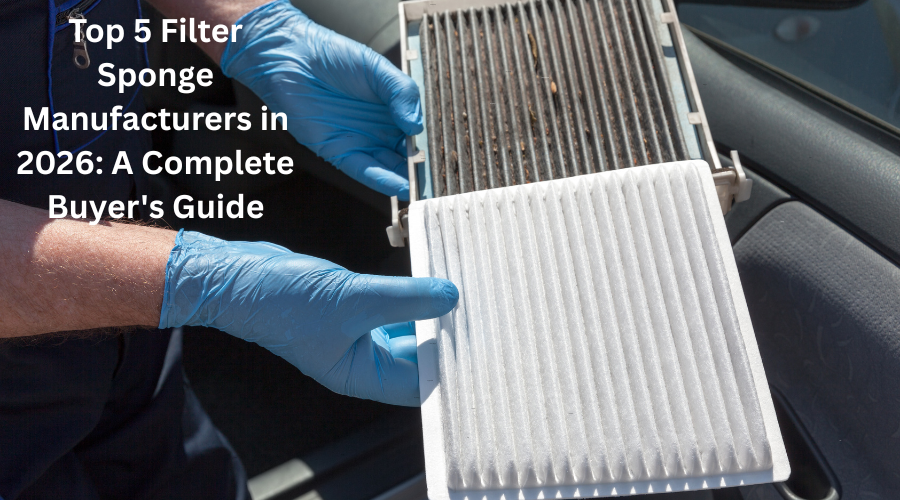
Finding the right Filter Sponge Manufacturer is one of the most important decisions for businesses that rely on high-quality filtration products. Whether you operate in the aquarium industry, industrial filtration, water treatment, air purification, or appliance manufacturing, selecting a reliable supplier directly impacts product quality, durability, and customer satisfaction. In 2026, manufacturers are focusing more than ever on innovation, eco-friendly production, consistent quality control, and customized foam solutions. This comprehensive buyer's guide explores the top manufacturers, explains what to look for before making a purchase, and helps you choose the best supplier for your business needs.
Why Choosing the Right Filter Sponge Supplier Matters
Filter sponges may appear to be simple products, but they play a crucial role in many applications. They are designed to trap dirt, debris, dust, and other unwanted particles while allowing air or water to flow efficiently. Their effectiveness depends on the quality of the foam, pore size, density, durability, and manufacturing standards.
Working with a reputable manufacturer offers several benefits, including:
Consistent product quality
Reliable delivery schedules
Custom manufacturing capabilities
Competitive wholesale pricing
Strict quality control processes
Long-term business partnerships
Technical support for custom projects
A dependable supplier helps businesses maintain product performance while reducing production risks and unexpected costs.
How We Selected the Top Manufacturers
To create this buyer's guide, we considered several important factors that buyers typically evaluate before choosing a supplier.
These include:
Years of manufacturing experience
Production capacity
Customization services
International export experience
Quality certifications
Material consistency
Customer service
Industry reputation
Innovation and research capabilities
While every business has unique requirements, the manufacturers listed below are recognized for delivering dependable products across multiple industries.
Top 5 Manufacturers of Filter Sponge in 2026
1. Yinfeng Foam
Yinfeng Foam has established itself as one of the leading manufacturers of polyurethane foam and filter sponge products. The company serves customers worldwide and offers customized foam solutions for various industrial applications.
One of its biggest strengths is its ability to manufacture filter foam with different pore sizes, densities, and specifications according to customer requirements. This flexibility makes it an excellent choice for OEM and ODM projects.
Key Advantages
Extensive customization options
High-quality polyurethane foam
Strong export experience
Modern manufacturing facilities
Competitive pricing for bulk orders
Professional customer support
Consistent production quality
Yinfeng Foam is particularly suitable for businesses looking for customized filtration materials that meet specific technical requirements.
2. Recticel Engineered Foams
Recticel is a globally recognized foam manufacturer with decades of experience producing advanced foam materials for industrial applications.
Its filtration foam products are widely used in automotive systems, HVAC equipment, industrial machinery, and consumer appliances.
Key Advantages
Strong research and development
High manufacturing standards
Global supply network
Innovative foam technologies
Reliable product consistency
Businesses seeking premium engineered foam solutions often consider Recticel due to its long-standing reputation.
3. FoamPartner
FoamPartner specializes in technical foam solutions across multiple industries, including filtration, healthcare, transportation, and industrial manufacturing.
The company invests heavily in developing innovative foam materials that improve filtration performance while maintaining durability.
Key Advantages
Advanced engineering expertise
Sustainable manufacturing initiatives
Customized product development
Excellent material consistency
Global customer support
FoamPartner is a strong choice for organizations requiring specialized filtration solutions.
4. Freudenberg Performance Materials
Freudenberg is well known for producing technical materials used in filtration systems around the world.
Its products are commonly found in automotive filters, industrial equipment, cleanroom environments, and air filtration systems.
Key Advantages
Exceptional quality standards
Global manufacturing footprint
Continuous product innovation
Strong engineering capabilities
Extensive industrial experience
Large-scale manufacturers often choose Freudenberg because of its commitment to precision and quality.
5. Rogers Corporation
Rogers Corporation manufactures high-performance engineered materials used across numerous industries.
Its foam technologies support demanding filtration applications requiring durability, reliability, and consistent airflow performance.
Key Advantages
Advanced material science
High-performance foam products
Excellent quality control
Long-term product reliability
Strong global presence
The company's focus on innovation makes it a trusted supplier for complex industrial applications.

Key Factors to Consider Before Buying Filter Sponge Products
Choosing a manufacturer involves much more than comparing prices. The following considerations can help you make a smarter purchasing decision.
1. Foam Density
Density affects durability, airflow, and filtration efficiency. Higher-density foam generally lasts longer but may influence airflow depending on the application.
2. Pore Size
Different applications require different pore counts.
For example:
Coarse pores for larger particles
Medium pores for general filtration
Fine pores for high-efficiency filtration
Selecting the proper pore size improves overall system performance.
3. Material Quality
Premium polyurethane foam generally offers better durability, flexibility, and resistance to wear than lower-quality materials.
Always ask manufacturers about their raw materials and production standards.
4. Custom Manufacturing
Many businesses require customized shapes, colors, sizes, or densities.
Manufacturers offering OEM and ODM services provide greater flexibility when developing branded products.
5. Production Capacity
If your business is growing, ensure the manufacturer can handle increasing order volumes without compromising quality or delivery times.
Large production facilities typically provide greater supply chain stability.
6. Quality Control
Reliable manufacturers inspect products throughout the production process rather than only at the final stage.
Look for suppliers that maintain strict testing procedures to ensure consistency.
7. Export Experience
International shipping requires proper documentation, packaging, and logistics management.
Manufacturers with global export experience generally provide smoother transactions for overseas buyers.
Industries That Use Filter Sponge Products
Filter sponge materials are used across numerous industries because of their excellent filtration properties.
Some common applications include:
Aquarium filtration
Industrial water treatment
Air purification systems
HVAC equipment
Automotive filtration
Medical devices
Kitchen appliances
Vacuum cleaners
Industrial machinery
Consumer electronics
As environmental standards continue to improve worldwide, demand for advanced filtration materials is expected to increase.
Benefits of Working with an Experienced Manufacturer
An experienced supplier provides advantages beyond product manufacturing.
These include:
Professional engineering support
Reliable technical consultation
Consistent product specifications
Faster production timelines
Lower defect rates
Better communication
Long-term supply stability
Building a relationship with a trusted manufacturer often leads to better pricing and improved collaboration over time.
Common Mistakes Buyers Should Avoid
Many buyers focus solely on cost, which can create problems later.
Avoid these common mistakes:
Choosing the lowest price without evaluating quality
Ignoring production certifications
Not requesting product samples
Failing to discuss customization requirements
Overlooking shipping capabilities
Skipping quality inspections
Ordering large quantities before testing
Taking time to evaluate suppliers carefully can prevent expensive production issues.
Future Trends in Filter Sponge Manufacturing
The filtration industry continues to evolve rapidly.
Some important trends shaping 2026 include:
Eco-friendly manufacturing processes
More recyclable foam materials
Improved filtration efficiency
Automation in production
Greater customization options
Smart manufacturing technologies
Enhanced quality inspection systems
Companies investing in these technologies are likely to remain competitive as market demands continue to grow.
FAQs
1. What is a filter sponge used for?
A filter sponge is designed to capture dust, debris, and other particles while allowing air or water to flow through efficiently. It is widely used in aquariums, HVAC systems, industrial equipment, automotive applications, and household appliances.
2. How do I choose the right manufacturer of filter sponge?
Look for a company with proven experience, strong quality control, customization capabilities, reliable production capacity, and positive customer feedback. Asking for product samples before proceeding with a large purchase is also recommended.
3. Can filter sponges be customized?
Yes. Many manufacturers offer custom sizes, shapes, pore densities, colors, and packaging to meet specific customer requirements.
4. Why is pore size important?
Pore size determines the filtration performance. Smaller pores capture finer particles, while larger pores allow greater airflow or water flow.
5. Are polyurethane filter sponges durable?
High-quality polyurethane foam offers excellent durability, flexibility, and long service life when used in appropriate filtration applications.
Conclusion
Selecting the right filter sponge supplier is an investment in the quality, performance, and reliability of your products. The manufacturers highlighted in this guide have built strong reputations through consistent production standards, technical expertise, and the ability to serve customers across a wide range of industries. Before making your final decision, compare product quality, customization options, manufacturing capacity, and long-term support rather than focusing only on price. By partnering with a trusted manufacturer that aligns with your business goals, you can improve product performance, strengthen your supply chain, and position your company for continued success in 2026 and beyond.


Comments