
Filter Sponge Manufacturer: Complete OEM & Wholesale Guide
- yinfengfoam
- Jul 24
- 6 min read
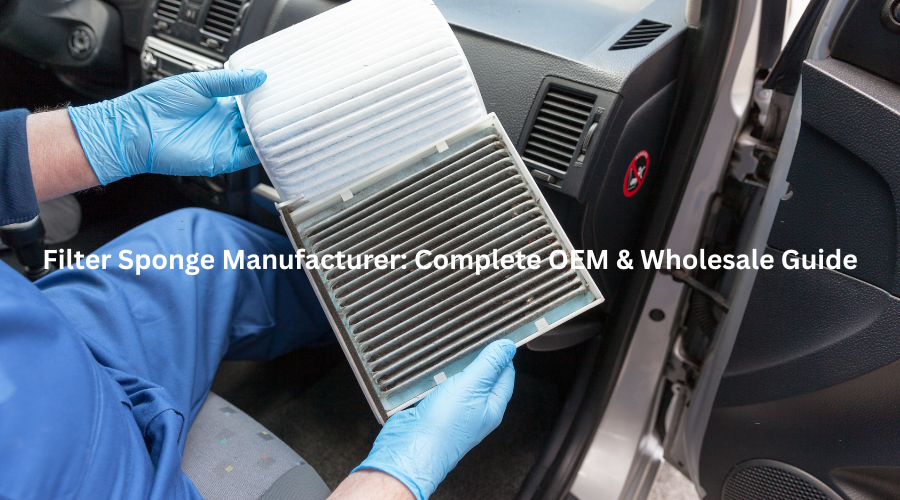
The demand for advanced filtration solutions is growing across industries such as automotive, electronics, water treatment, HVAC, medical equipment, and industrial machinery. Businesses that require reliable filtration materials often look for a trusted Filter Sponge Manufacturer that can provide consistent quality, customized designs, and cost-effective solutions. Whether you are a distributor, equipment producer, or industrial buyer, understanding filter sponge materials, manufacturing processes, applications, and buying factors can help you make better decisions.
Filter sponges are essential components used to remove dust, dirt, particles, and contaminants from air, liquids, and gases. With advancements in filtration technology, manufacturers now produce specialized sponge filters designed for higher efficiency, durability, and environmental performance. This guide explains everything you need to know about OEM production, wholesale purchasing, materials, quality standards, and industry trends.
What Is a Filter Sponge?
A filter sponge is a porous filtration material designed to trap unwanted particles while allowing air or liquid to pass through. The open-cell structure creates thousands of tiny pathways that capture contaminants effectively.
Unlike traditional filter materials, sponge filters offer several advantages:
Excellent air and liquid flow
High dust and particle retention
Reusable and washable properties
Flexible shapes and sizes
Long service life
Easy customization
Because of these benefits, filter sponges are widely used in both commercial and industrial applications.
Common Materials Used for Filter Sponge Production
The performance of a sponge filter depends largely on the material used during manufacturing. Different industries require different characteristics, such as chemical resistance, durability, or high filtration efficiency.
Polyurethane Foam
Polyurethane foam is one of the most commonly utilized materials for filter sponges. It offers excellent flexibility, durability, and air permeability.
Benefits include:
Lightweight structure
Good resistance to wear
Effective particle capture
Easy customization
Cost efficiency
Polyurethane foam filters are commonly used in automotive, HVAC, and industrial filtration systems.
Polyester Foam
Polyester foam provides strong mechanical performance and resistance to moisture. It is often selected for applications where durability and stability are important.
Reticulated Foam
Reticulated foam has a highly open-cell structure that improves airflow and filtration performance. It is frequently used in applications requiring maximum air movement with minimal pressure loss.
Activated Carbon Sponge
Activated carbon filter sponges combine foam filtration with odor and chemical absorption capabilities. These are useful for applications involving air purification and pollution control.
How Filter Sponges Are Manufactured
Understanding the production process helps buyers evaluate product quality and choose the right manufacturing partner.
Material Preparation
Manufacturers begin by selecting appropriate raw materials based on the required filtration performance. Factors such as density, pore size, and thickness are considered during this stage.
Foaming Process
The selected materials undergo controlled chemical reactions to create foam structures. Production conditions are carefully monitored to achieve consistent cell formation.
Cutting and Shaping
Large foam blocks are processed into specific sizes and shapes using advanced cutting equipment. Manufacturers can create:
Sheets
Rolls
Pads
Rings
Custom molded shapes
Precision-cut components
Surface Treatment
Some filter sponges require additional treatments, such as:
Flame resistance
Anti-bacterial coating
Activated carbon integration
Oil resistance
Water resistance
These treatments improve performance for specialized applications.
Quality Testing
Professional manufacturers conduct inspections to ensure products meet required standards. Testing may include:
Airflow resistance
Density measurement
Compression strength
Filtration efficiency
Material durability
Dimensional accuracy
Types of Filter Sponges Available
Different industries require different filter designs. Understanding the available options helps businesses choose suitable products.
Air Filter Sponges
Air filter sponges are designed to remove dust, dirt, and airborne particles.
They are commonly used in:
Air conditioning systems
Ventilation equipment
Industrial machines
Automotive air systems
Water Filter Sponges
Water filtration sponges capture impurities while allowing water circulation. They are widely used in:
Aquarium filtration systems
Water treatment equipment
Pumps
Industrial water systems
Industrial Filter Foam
Industrial applications often require durable filter materials capable of handling demanding environments. These filters are designed for machinery, production equipment, and pollution control systems.
Automotive Filter Sponges
Vehicles use sponge-based filters in several systems, including air intake and ventilation applications. These filters help protect equipment performance by reducing contamination.
Benefits of Buying Wholesale Filter Sponges
Wholesale purchasing provides significant advantages for businesses that require regular inventory.
Cost Savings
Bulk orders usually bring down the unit price, allowing businesses to improve profit margins.
Consistent Supply
Working with a reliable supplier ensures continuous availability and reduces the risk of production delays.
Customization Options
Many manufacturers provide OEM services, allowing buyers to customize:
Product dimensions
Density levels
Colors
Packaging
Branding
Material specifications
Better Production Planning
Long-term purchasing agreements help businesses forecast demand and manage inventory efficiently.
OEM Filter Sponge Manufacturing Explained
OEM manufacturing allows companies to develop products according to their specific requirements without investing in their own production facilities.
A professional OEM partner can help with:
Product design
Material selection
Prototype development
Testing
Mass production
Packaging solutions
This option is especially beneficial for brands that want unique filtration products under their own name.
How to Choose the Right Filter Sponge Supplier
Selecting the right supplier is one of the most important steps for ensuring product quality and business success.
Consider these factors:
Manufacturing Experience
Experienced manufacturers usually have better production knowledge, advanced equipment, and improved quality control systems.
Production Capability
A supplier should have the ability to handle your required order quantity while maintaining consistent standards.
Customization Support
Choose manufacturers that can provide flexible solutions instead of only offering standard products.
Quality Control Procedures
Reliable suppliers should have inspection systems throughout production to reduce defects.
Communication and Support
Clear communication helps prevent misunderstandings regarding specifications, timelines, and product requirements.
Applications of Filter Sponges Across Industries
Filter sponges are used in many sectors because of their versatility.
Automotive Industry
Used for engine air filtration, ventilation systems, and protective filtration components.
HVAC Systems
Help maintain cleaner airflow by capturing dust and airborne particles.
Aquaculture
Used in aquarium systems to support water cleanliness and circulation.
Electronics Industry
Protect sensitive equipment from dust buildup and environmental contamination.
Manufacturing Facilities
Used in machinery filtration, ventilation systems, and industrial processing equipment.
Medical Equipment
Certain specialized filtration materials are used in healthcare-related equipment requiring controlled airflow.
Important Factors Before Placing a Bulk Order
Before purchasing large quantities, buyers should evaluate several important details.
Clearly specify:
Size
Thickness
Density
Material type
Filtration purpose
Quantity requirements
Request Samples
Testing samples before bulk production helps verify whether the product meets expectations.
Review Packaging Options
Proper packaging protects products during transportation and improves storage efficiency.
Understand Lead Times
Knowing production schedules helps businesses avoid supply interruptions.
Compare Quality Instead of Only Price
The cheapest option may not always provide the best value. Product durability and performance should also be considered.
Sustainability Trends in Filter Sponge Manufacturing
Environmental awareness is influencing filtration industries worldwide. Many manufacturers are enhancing sustainability across manufacturing operations.
Current trends include:
Recyclable materials
Reduced manufacturing waste
Energy-efficient production
Longer-lasting filter products
Environmentally friendly packaging
Companies that invest in sustainable solutions can better meet changing customer expectations.
Future Trends in the Filter Sponge Industry
The filtration market continues to develop with new technologies and improved materials.
Future trends include:
Advanced foam structures
Higher-efficiency filtration materials
Smart filtration systems
Customized industrial solutions
Eco-friendly manufacturing practices
Improved reusable filter designs
As industries demand cleaner environments and better equipment performance, filter sponge technology will continue to evolve.
FAQs
What is the best material for filter sponges?
The best material depends on the application. Polyurethane foam is widely used because it offers good flexibility, durability, and filtration performance.
Can filter sponges be customized?
Yes. Many manufacturers provide customized solutions including different sizes, shapes, densities, colors, and packaging options.
Are sponge filters reusable?
Many sponge filters can be washed and reused multiple times, depending on the material and application.
How do I choose the right filter sponge density?
The required density depends on filtration needs. Higher-density materials generally capture smaller particles, while lower-density options allow better airflow.
What industries use filter sponges?
Filter sponges are used in automotive, HVAC, electronics, water treatment, industrial machinery, aquaculture, and many other industries.
Why should businesses buy directly from manufacturers?
Direct purchasing often provides better pricing, customization options, consistent quality, and improved supply reliability.
Conclusion
Choosing the right filtration partner requires careful consideration of product quality, manufacturing expertise, customization capabilities, and supply reliability. A well-designed filter sponge can improve equipment performance, protect systems from contaminants, and provide long-term value across multiple industries. By understanding materials, production processes, applications, and purchasing factors, businesses can make informed decisions when sourcing filtration products. Working with an experienced manufacturer supports reliable quality standards, efficient production, and reliable solutions that support future business growth.


Comments