
Car Sponge Maintenance Tips Every Car Wash Business Should Know
- yinfengfoam
- Jun 8
- 4 min read
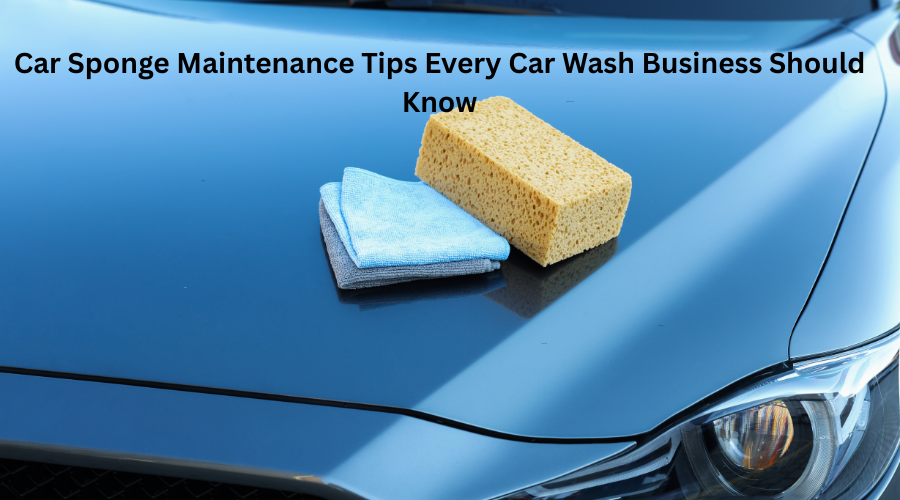
A reliable Car Sponge Supplier plays an important role in helping car wash businesses maintain consistent cleaning quality, but even the best sponge won’t perform well without proper care. Car sponges are one of the most frequently used tools in any detailing or washing operation, and their condition directly affects cleaning efficiency, customer satisfaction, and long-term cost control. If sponges are poorly maintained, they wear out faster, lose effectiveness, and may even damage vehicle surfaces.
In this guide, we’ll explore practical, easy-to-follow maintenance tips that every car wash business should know to extend sponge life, improve performance, and reduce unnecessary replacement costs.
Why Car Sponge Maintenance Matters in Car Wash Businesses
In a professional car wash environment, sponges are used repeatedly throughout the day. This constant usage exposes them to dirt, chemicals, grease, and debris. Without proper maintenance, they quickly become ineffective.
Here’s why maintenance is essential:
Improves cleaning performance
Prevents scratches on vehicle surfaces
Reduces replacement costs
Maintains hygiene and safety
Ensures consistent service quality
A well-maintained sponge not only lasts longer but also helps maintain the reputation of your business.
1. Rinse Sponges Immediately After Use
One of the simplest yet most important habits is rinsing the sponge immediately after each use. Allowing dirt and soap residue to dry inside the sponge can damage its fibers and reduce its absorption ability.
Best practice:
Use clean water to rinse thoroughly
Squeeze out trapped dirt and foam
Repeat until water runs clear
This prevents buildup and keeps the sponge soft and effective.
2. Use Separate Sponges for Different Tasks
Professional car wash businesses often make the mistake of using the single sponge for multiple cleaning tasks. This increases the risk of cross-contamination and reduces sponge lifespan.
Recommended separation:
One sponge for body panels
One for wheels and tires
One for interior cleaning
This approach keeps sponges cleaner and ensures better hygiene and performance.
3. Clean Sponges with Mild Detergent Regularly
Rinsing alone is not enough for long-term maintenance. Sponges should be washed with a mild detergent at the end of each workday.
Steps:
Soak in warm water
Add mild car shampoo or detergent
Gently massage and rinse thoroughly
Do not use harsh chemicals, as they can wear out sponge fibers and reduce durability.
4. Avoid Using Excessive Pressure During Cleaning
Many workers press too hard while cleaning stubborn dirt. This not only damages the sponge structure but also reduces its softness over time.
Instead:
Let the cleaning solution do the work
Use gentle circular motions
Apply light pressure consistently
This technique preserves sponge integrity and improves results.
5. Proper Drying is Essential
Improper drying is one of the main reasons sponges deteriorate quickly. Keeping them wet creates a breeding ground for bacteria and unpleasant odors.
Best drying practices:
Air dry in a clean, ventilated area
Avoid direct sunlight for long periods
Do not store when wet
A fully dried sponge stays fresh and lasts significantly longer.
6. Store Sponges in a Clean, Dry Space
Storage conditions play a major role in sponge maintenance. Dirty or humid storage areas can quickly damage even high-quality sponges.
Ideal storage conditions:
Dry and dust-free environment
Separate storage for clean and used sponges
Avoid sealed plastic bags when damp
Proper storage helps maintain hygiene and extends usability.
7. Inspect Sponges Regularly for Wear and Tear
Routine inspection is essential in high-volume car wash operations. Damaged sponges can reduce cleaning quality and potentially harm vehicle paint.
Look for:
Tears or cracks
Hardening of material
Loss of elasticity
Persistent odors
Replace sponges immediately when signs of damage appear.
8. Avoid Mixing Chemicals in Sponges
Car wash businesses often use multiple cleaning agents, but mixing chemicals inside a sponge can cause degradation and reduce lifespan.
To avoid this:
Use separate sponges for different cleaning agents
Rinse thoroughly between uses
Avoid soaking in strong chemical solutions
This helps preserve sponge structure and safety.
9. Rotate Sponge Usage for Even Wear
Using the same sponge repeatedly without rotation causes uneven wear. A rotation system ensures balanced usage across all tools.
Benefits of rotation:
Longer overall lifespan
Balanced performance
Reduced replacement frequency
A simple rotation schedule can significantly improve efficiency.

10. Train Staff on Proper Sponge Handling
Even the best maintenance system fails if staff are not trained properly. Employee awareness is key to extending sponge life.
Training should include:
Proper rinsing techniques
Correct usage pressure
Cleaning procedures
Storage guidelines
Well-trained staff help maintain consistent service quality and reduce operational costs.
11. Replace Sponges at the Right Time
No matter how well maintained, sponges eventually wear out. Delaying replacement can negatively affect service quality.
Signs it’s time to replace:
Reduced softness
Visible damage
Poor cleaning performance
Persistent odor after washing
Timely replacement ensures customer satisfaction and protects vehicle surfaces.
12. Choose Quality Sponges from the Start
Maintenance becomes much easier when you start with high-quality materials. Low-grade sponges wear out quickly and require frequent replacement.
High-quality sponges offer:
Better durability
Improved absorption
Longer service life
Safer cleaning performance
Opting for high-quality solutions from the beginning reduces long-term costs.
Benefits of Proper Car Sponge Maintenance
When maintenance practices are followed correctly, businesses experience noticeable improvements:
Lower operational costs
Better cleaning efficiency
Increased customer satisfaction
Longer tool lifespan
Fewer replacements required
Improved vehicle safety
A small effort in maintenance leads to significant long-term benefits.
FAQs
1. How often should car sponges be cleaned?
Car sponges should be rinsed after every use and thoroughly cleaned with mild detergent at the end of each working day.
2. Can car sponges be reused after heavy dirt exposure?
Yes, but only after proper cleaning and inspection. If damage is visible, replacement is recommended.
3. What is the best way to dry car sponges?
Air drying in a clean, ventilated space is the safest method. Avoid sealing them while wet.
4. How long does a car sponge typically last?
With proper maintenance, a good-quality sponge can last the preceding weeks to months depending on usage frequency.
5. Why do car sponges become hard over time?
This usually happens due to chemical buildup, improper drying, or lack of regular cleaning.
Conclusion
Car sponge maintenance is a crucial part of running an efficient and cost-effective car wash business. By following simple but consistent practices such as proper cleaning, careful storage, regular inspection, and correct usage techniques, businesses can significantly extend the life of their sponges while maintaining high-quality cleaning results. In the long run, good maintenance not only improves performance but also reduces costs and enhances customer satisfaction, making it an essential part of any successful car detailing operation.


Comments